// DAC BW / 2022-2025
The global, large-scale production of renewable synthetic hydrocarbons (reFuels) – both as energy sources and as raw materials for the chemical industry – will in future generate a significant demand for CO₂, which cannot be met by industrial and biogenic point sources alone. In conjunction with the goal of climate neutrality, this creates a need to establish Direct Air Capture (DAC) as a supplementary source of CO2. To meet this growing demand, the rapid development of industrial supply structures is required.
Thanks to its industrial strength, particularly in mechanical and plant engineering, Baden-Württemberg offers ideal conditions for assuming technological leadership in the development and scaling up of DAC technologies. The targeted development of relevant expertise could enable the state to position itself as a leading technology provider in the field of DAC, both within the EU and globally. The central objective of the DAC-BW project was therefore to initiate the industrial implementation of competitive DAC technologies with value creation originating in Baden-Württemberg.

The DAC-BW project received funding of around 1.4 million euros from the Baden-Württemberg Ministry of Transport for the period from 1 June 2022 to 30 June 2025.
The demonstration plant received funding of around 0.5 million euros from the Baden-Württemberg Ministry of Economic Affairs, Skilled Trades and Tourism.
Contact:
Dr.-Ing. Raphael Vollmer
Phone: +49 711 7870-171
Email: raphael.vollmer(at)zsw-bw.de
A key focus was on involving industry at an early stage. Potential industrial partners for commercialisation in Baden-Württemberg were identified, and initial steps towards commercialising the technology were taken. As part of this, in addition to the project website (www.dac-bw.de), an industry network comprising over 40 interested companies from the region was established. During a series of workshops organised as part of the industry dialogue, the network partners received both in-depth information on the market potential and technological aspects of Direct Air Capture, as well as practical insights gained from the operation of the DAC10 plant.
At the same time, comprehensive market analyses were carried out. The results show that CO₂ demand in Germany will rise from the current 1.3 million tonnes to up to 59 million tonnes by 2050, and globally to 1,000–6,000 million tonnes. The main drivers are the chemical industry, the production of synthetic fuels and the construction sector. At the same time, the available supply of CO₂ from point sources is declining as a result of climate protection measures. According to forecasts, over 60 per cent of industrial CO₂ demand could be met by DAC technologies by 2050. This opens up significant economic opportunities for Baden-Württemberg, with annual revenue potential of up to €2.2 billion and several thousand new jobs.
The results of the project demonstrate that Direct Air Capture is indispensable both for the provision of climate-neutral raw materials and for achieving negative emissions. This opens up significant opportunities for Baden-Württemberg, as the region’s strong expertise in mechanical and plant engineering provides ideal conditions for technological leadership. However, this potential has not yet been fully realised. If this gap widens, there is a risk of technological dependence, as well as the loss of industrial value creation and export opportunities in a key market of the future.
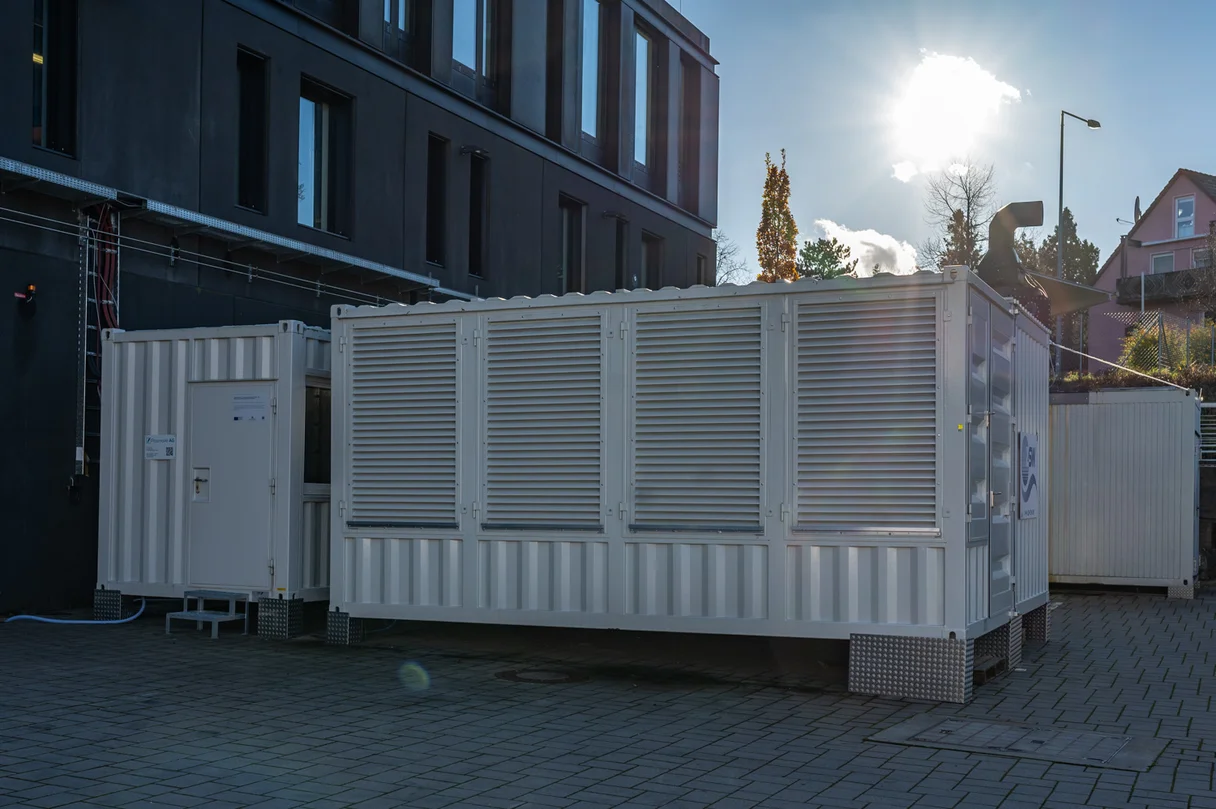
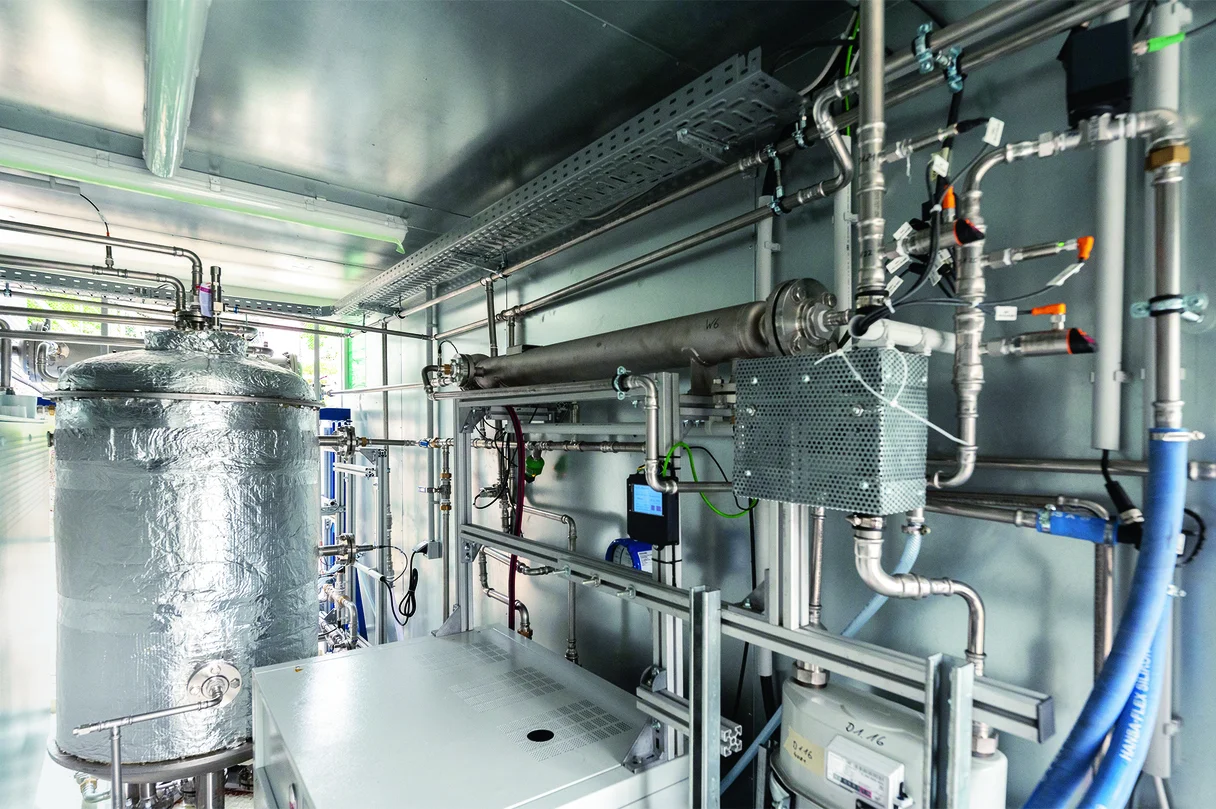
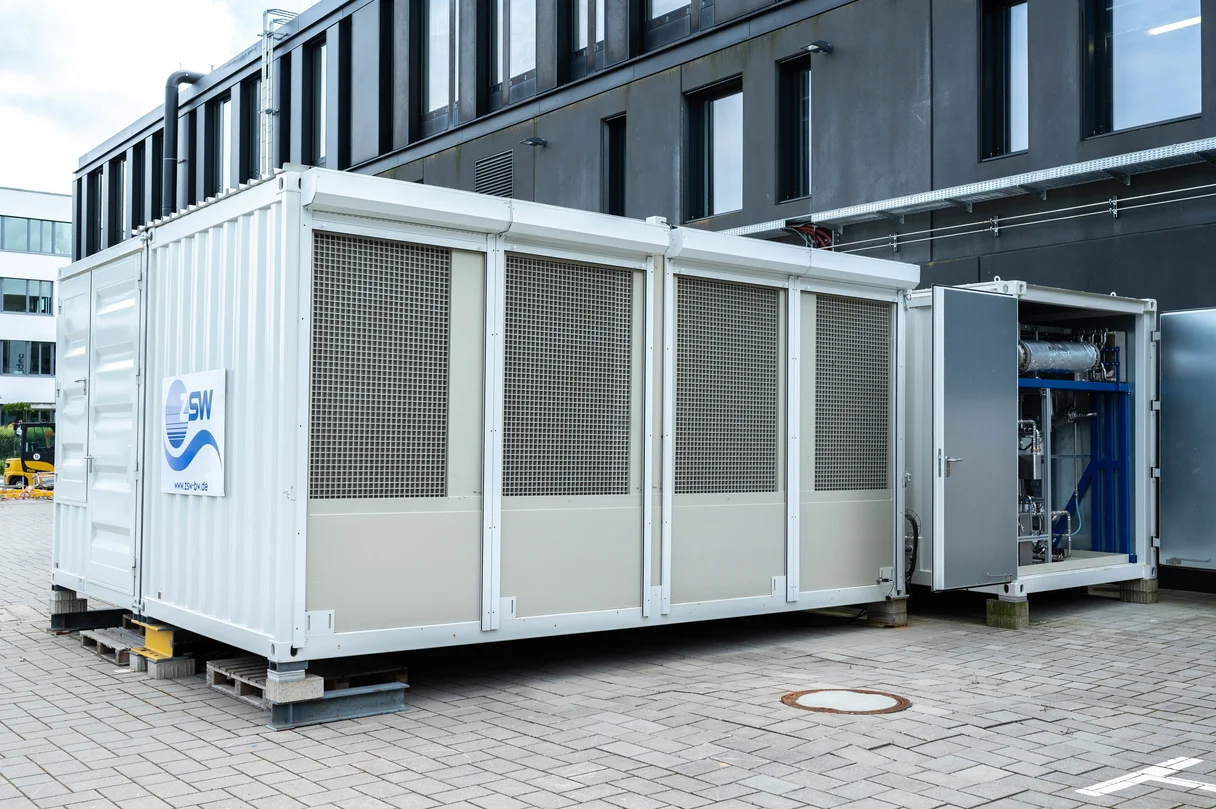
To implement the technology, a scaled-down demonstration plant with a capture capacity of approximately 100 tonnes of CO₂ per year was constructed at the ZSW, enabling DAC to be operated under real-world conditions. In addition, the German Aerospace Centre (DLR) developed a simulation model to support the optimisation of the processes. Together, these components form the basis for the further development and scaling of DAC technologies.